Blog /
Event Reminders: A Strategic Guide to Maximizing Engagement
How many touchpoints do you actually need before an event? What should each one say? Here's the optimal communication roadmap from save-the-date to post-event follow-up.
By Earth Coast Productions
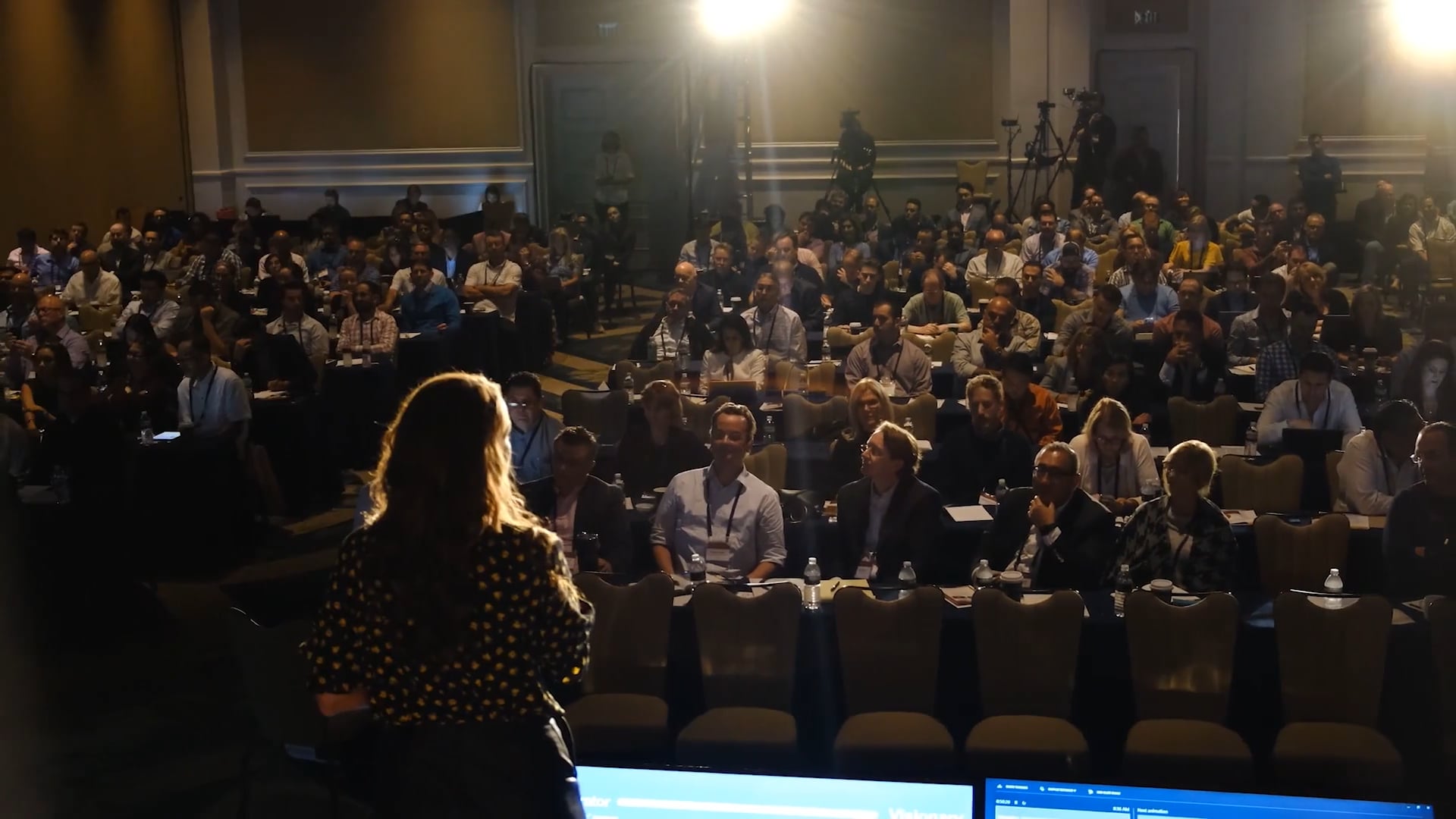
Planning in-person, virtual, or hybrid events takes considerable time and resources. You want to ensure that your event goals and message are clear and communicated effectively to your audience for maximum impact. Clear marketing and strategic touchpoints with your audience are critical for event success. However, the question remains: How many touchpoints are needed? What should I communicate? Am I repeating myself too much?
We’ve outlined the optimal roadmap for you or your event planner so that you can maximize engagement for your event and create strategic and impactful touchpoints for your audience.
The Strategy
When it comes to event communication, the best practice is a multi-touchpoint strategy to effectively engage attendees while not overwhelming them. At a minimum, you should be sending out 6–10 emails per event. This includes save-the-dates, registration announcements, general event information, last-chance reminders, and general announcements. Once you’ve identified and segmented your audience (e.g. new registrants, returning attendees, sponsors, etc.), you can customize the touchpoint journey for each audience.
The Roadmap
Save-the-Date Announcement: As soon as the event date is confirmed, send out a “save-the-date” to potential attendees and your audiences from past events. This is particularly important for in-person components of hybrid events, where attendees may need to make travel arrangements. Be sure to add the venue or city to any communications.
Official Invitation and Registration Opening: Send this out 3–4 months before the event, depending on the scale and audience. This announcement should include key details about the event and a call to action to register. Ask registrants to share the event information with their network to help cross-promotion.
Pro-Tip: Create ready-to-use social media graphics and captions that registrants can easily copy and share. The more you minimize their effort, the more likely they’ll share the event on their platform with their audience.
Early Bird Registration Reminder: If you offer early bird pricing, send a reminder as the deadline approaches, usually a few weeks to a month before. Send another reminder on the last day of early bird registration to encourage attendees to buy while prices are lower.
Regular Updates and Engagements: Send periodic updates leading up to the event. This should include speaker announcements, session highlights, networking opportunities, and what-to-expect announcements. Depending on the event’s timeline, these can be sent monthly, bi-weekly, or weekly, gradually increasing in frequency as the event approaches:
- Announce new speakers added to the lineup
- Highlight key sponsors and showcase their involvement
- Showcase highly anticipated sessions or workshops
Last Chance to Register Reminder: Send this out about 1–2 weeks before the event to catch late decision-makers. For hybrid events, this is a great time to focus on selling additional virtual tickets — virtual attendance doesn’t require travel, is less of a commitment, and is therefore an easier choice to opt into.
Pre-Event Preparation Email: About a week before the event, send an email preparing attendees for what to expect, how to participate (especially for virtual components), and any actions they need to take beforehand. Write these emails in an easy-to-follow format with clearly outlined steps. Avoid long blocks of text by using a 1-2-3 format with bold headlines for key information.
48-Hour Reminder: A detailed reminder 48 hours before the event provides attendees with critical information — log-in details for virtual attendees, event schedules, and last-minute logistics. Again, follow an easy-to-read format with key details at the top of the email.
Day-Before Reminder: A brief, engaging reminder the day before the event to build excitement and ensure attendees have everything they need.
Day-Of Reminder: Send a final reminder on the morning of the event. For virtual attendees, include direct links to join the event for easy accessibility.
Post-Event Follow-Up: After the event, send a thank you message to attendees, along with a survey for feedback, links to session recordings, and other relevant post-event resources.
Best Practices for Communications
- Keep it short: A single event could have 10+ communication touchpoints. Evaluate the most important information for each touchpoint and remove extraneous details.
- Include event details: Always include the key event information — date, time (with time zones), location, and agenda. Provide a key contact for questions before the event.
- Personalization: Use a friendly and inviting tone. You want to help build the community before the event so the audience feels welcomed before they step foot in the venue or log onto the virtual platform.
- Consistent Branding: Keep the content in line with branding for the event — emails, social media reminders, direct messages. This creates a cohesive journey for participants.
- Automate Reminders: Template your main emails and reminders all at once and set them to be automatically sent on a schedule. The more items you can cross off your list early, the better prepared you will be.
Key Takeaways
The key is to ensure that each touchpoint adds value and keeps attendees informed and excited about the event. Build your community early in the planning process to ensure maximum impact before, during, and after the event.
Leverage various communication channels — email, social media, SMS, and platform apps — to diversify your content. Personalize communications based on attendee type (in-person vs. virtual, returning vs. new) and their interests to enhance engagement and keep information relevant.
This roadmap is meant to be a starting point. Each event has different goals and audience interests, so keep your audience engaged in a way that resonates with them while driving home the most important event information.
Ready to elevate your event? Book a call with our team to start planning today.